
C/ Namilla n71B, 24121 Sariegos, León - Spain
Energy poverty occurs when low income, high energy costs, and poor building efficiency force households to reduce energy use—negatively affecting health, comfort, and well-being
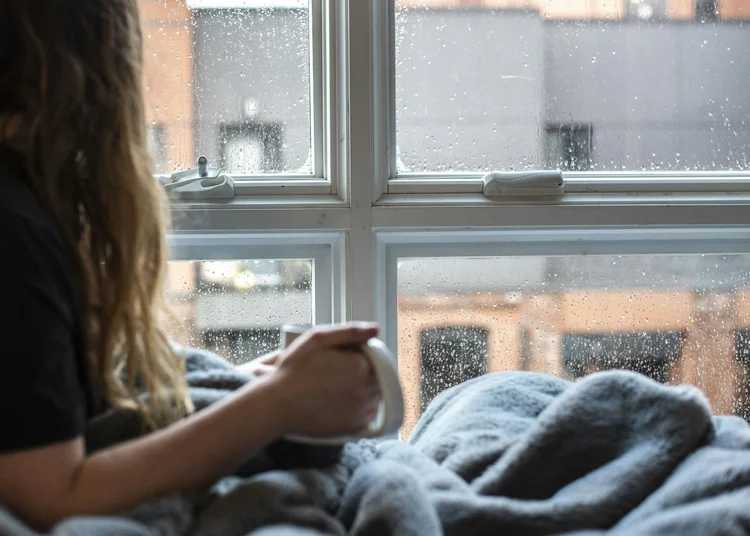
It’s multidimensional and affects both winter (heating) and summer (cooling) comfort.
It disproportionately impacts vulnerable groups—older adults, families with children, people with disabilities, and single-parent households.
In 2023, 47.5 million Europeans (10.6% population) couldn’t afford to heat their homes.
Vulnerable groups include low-income families, older adults, people with disabilities, and single mothers.
Poor insulation and inefficient buildings worsen the problem.
Energy poverty hits hardest in colder regions, among low-income households, and those with higher energy needs.
Women, especially single mothers and older women, face additional challenges due to income gaps and caregiving responsibilities.
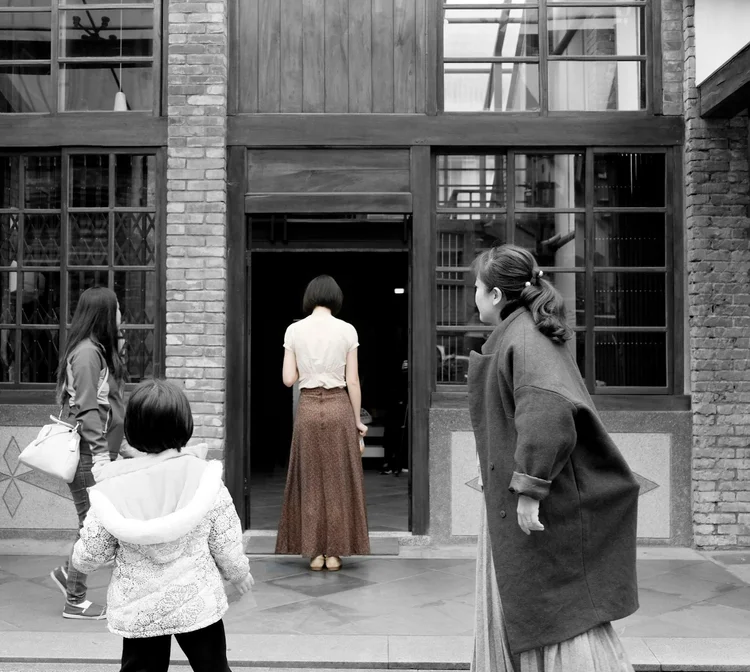
Affordable, sustainable energy for all
Doubling building renovations to cut bills and create jobs
Support for regions reducing carbon-heavy industries
One Stop Shops for advice and energy-saving targets
Beyond technical fixes, energy poverty is tied to education, cultural norms, and well-being. Solutions must be inclusive, accessible, and meaningful for citizens—especially vulnerable groups.


Co-funded by the European Union. Views and opinions expressed are however those of the author(s) only and do not necessarily reflect those of the European Union or CINEA. Neither the European Union nor the granting authority can be held responsible for them.
To provide the best experiences, we use technologies such as cookies to store and/or access device information. Consent to these technologies will allow us to process data such as browsing behaviour or unique identifiers on this site. Not consenting or withdrawing consent may adversely affect certain features and functions.